Why Moisture and Mold Damage Start Earlier Than Most Property Owners Realize
Professional painting for moisture and mold prevention plays a much larger role in property protection than many people initially understand. Most homeowners and commercial property managers associate paint with appearance, color selection, and curb appeal, but professionally applied coatings also function as a protective barrier against environmental exposure. When surfaces are left vulnerable due to aging paint, cracks, or improper sealing, moisture begins penetrating materials long before visible damage appears. By the time stains or mold growth become obvious, the underlying issue may already be extensive.
Moisture damage often begins in subtle ways that property owners overlook. Small gaps around trim, deteriorating caulking, weakened paint films, and poorly protected exterior surfaces allow water intrusion to develop gradually. Once moisture enters porous materials such as drywall, wood, or siding, it creates conditions that support mold growth and structural deterioration. This process can continue unnoticed for months because many affected areas remain hidden behind walls, ceilings, or exterior cladding systems.
Mold thrives in damp environments where ventilation is limited and moisture remains trapped over time. In many cases, mold problems originate from surfaces that were never properly protected in the first place. A low-quality paint job or inadequate preparation may fail to seal vulnerable areas effectively, allowing humidity and water infiltration to compromise the structure. This is one reason professional painting services are so important in long-term building maintenance strategies.
Cornerstone Painting works with property owners to identify these vulnerabilities before they become expensive repair issues. Their team understands that successful painting projects require more than applying color to a surface. Every stage of the process—from preparation to product selection—is designed to create a durable protective system that reduces moisture exposure and helps prevent mold-related problems from developing over time.
How Professional Painting Creates a Protective Moisture Barrier
Paint serves as one of the first lines of defense against environmental exposure. When applied correctly, coatings help repel water, reduce absorption, and shield materials from humidity fluctuations. Exterior surfaces constantly face rain, sunlight, wind, and changing temperatures, all of which gradually weaken unprotected materials. Professionally applied coatings create a barrier that slows this deterioration and minimizes the risk of moisture infiltration.
The effectiveness of this barrier depends heavily on preparation and application quality. Surfaces must be cleaned thoroughly, repaired where necessary, and primed appropriately before paint is applied. Without these steps, coatings may fail prematurely, leaving gaps where moisture can enter. Professional painters understand how to evaluate surfaces and determine which preparation methods are necessary for long-term durability.
Cornerstone Painting prioritizes this protective approach during every project. Their team carefully inspects surfaces for cracks, damaged caulking, wood deterioration, or previous coating failures before beginning any work. Addressing these issues early allows them to create a continuous seal that strengthens the building envelope and improves resistance to moisture intrusion.
According to Sherwin-Williams, moisture infiltration is one of the leading contributors to paint failure and substrate deterioration. Proper preparation and high-performance coatings significantly reduce these risks, especially when applied by experienced professionals who understand environmental conditions and surface behavior.
Why Poor Surface Preparation Leads to Mold Problems
One of the most common causes of premature paint failure and hidden moisture damage is inadequate surface preparation. Many lower-cost painting projects skip essential preparation steps in order to reduce labor time, but these shortcuts often create long-term consequences. Paint applied over dirty, damp, or deteriorating surfaces cannot bond correctly, which weakens the protective barrier and allows moisture to penetrate underlying materials.
When moisture becomes trapped beneath paint layers, it creates ideal conditions for mold growth. Bubbling, blistering, and peeling coatings are often early indicators that water has already entered the substrate. At this stage, repainting alone will not solve the issue because the source of the moisture remains active underneath the surface. Correcting these problems requires identifying and resolving the underlying cause before new coatings are applied.
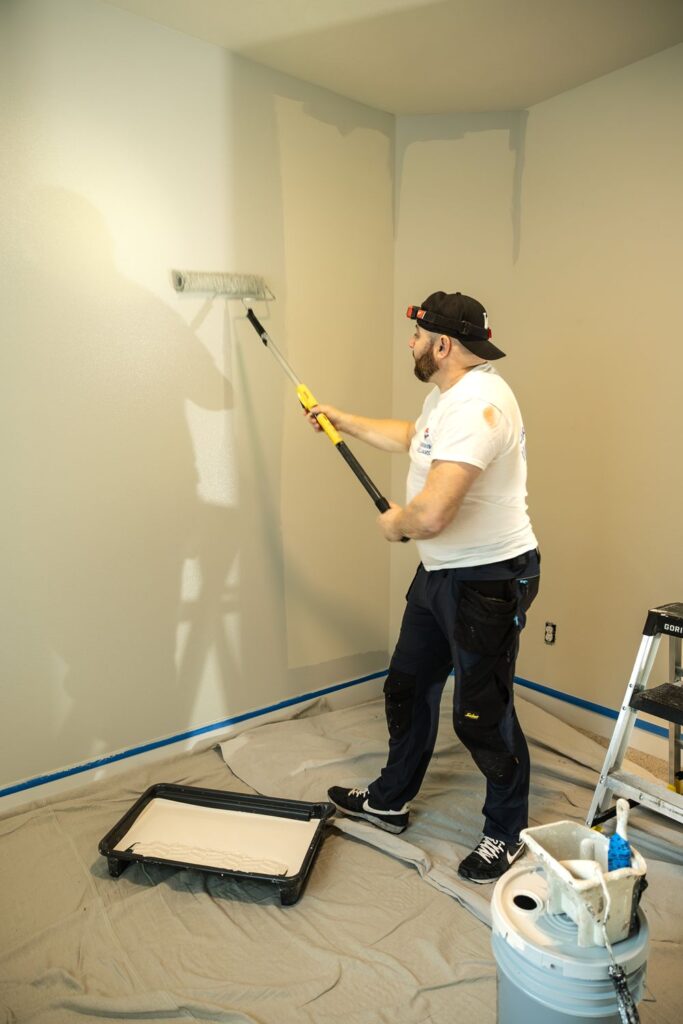
Cornerstone Painting places strong emphasis on preparation because they understand how critical it is to long-term performance. Their process includes cleaning, sanding, repairing damaged materials, sealing vulnerable joints, and ensuring surfaces are dry before painting begins. This detailed preparation helps prevent hidden moisture accumulation and reduces the likelihood of future mold development.
The Painting Contractors Association explains that proper preparation directly affects coating lifespan and overall building protection. Professional contractors who follow industry best practices create paint systems that function as protective barriers rather than temporary cosmetic improvements.
The Connection Between Exterior Paint Failure and Interior Mold Growth
Many property owners fail to realize that exterior paint problems can eventually lead to interior mold issues. Once exterior coatings begin to crack or deteriorate, water infiltration becomes more likely during rain or periods of high humidity. Over time, this moisture migrates into insulation, drywall, framing, and interior surfaces where mold can begin developing out of sight.
This hidden progression is particularly dangerous because mold growth often remains undetected until odors, discoloration, or health symptoms become noticeable. By then, remediation costs may involve removing drywall, replacing insulation, and addressing structural damage. Preventive exterior maintenance is significantly less expensive than repairing widespread interior moisture problems.
Cornerstone Painting helps prevent these situations by focusing on long-term exterior durability. Their team evaluates vulnerable areas such as trim joints, window frames, fascia boards, and siding transitions where moisture commonly enters. By reinforcing these areas during painting projects, they help reduce the risk of water infiltration affecting interior environments.
Organizations such as the Environmental Protection Agency emphasize the importance of controlling moisture to prevent mold growth inside buildings. Properly maintained exterior coatings are a key component of this protection strategy because they reduce the likelihood of water intrusion before it reaches interior spaces.
Why Commercial Properties Require Stronger Moisture Protection Strategies
Commercial buildings often face greater exposure to moisture-related stress than residential properties. Larger surface areas, increased occupancy, HVAC fluctuations, and higher maintenance demands all contribute to faster wear on painted surfaces. In environments such as offices, healthcare facilities, retail spaces, and warehouses, moisture problems can also disrupt operations and create liability concerns.
Because commercial properties operate continuously, painting systems must perform reliably under demanding conditions. Moisture infiltration in commercial environments can damage walls, ceilings, equipment, and inventory while also affecting indoor air quality. Mold-related issues may even force temporary closures or require expensive remediation procedures.
Cornerstone Painting develops customized moisture protection strategies for commercial clients based on the property’s specific conditions and operational needs. Their team carefully selects coatings designed to withstand environmental exposure while minimizing maintenance requirements over time. This proactive planning helps businesses avoid disruptions caused by paint failure or water damage.
Professional scheduling is another important factor. Cornerstone Painting coordinates projects strategically to ensure coatings cure properly and surfaces remain protected long after completion. This careful planning improves durability and reduces the likelihood of premature deterioration.
How High-Quality Coatings Improve Long-Term Protection
Not all paint products perform equally when exposed to moisture and humidity. High-quality coatings contain advanced formulations designed to resist water penetration, mildew growth, and environmental wear. These coatings maintain flexibility over time, allowing them to expand and contract with temperature changes without cracking or separating from the surface.
Professional contractors understand how to match coating systems to specific environments. Exterior surfaces exposed to intense sunlight, coastal humidity, or heavy rainfall require different products than interior walls or climate-controlled commercial spaces. Selecting the wrong product can compromise durability regardless of application quality.
Cornerstone Painting carefully evaluates environmental conditions before recommending coating systems. Their experience allows them to select products that provide long-term protection while maintaining visual consistency. This attention to detail ensures that coatings continue performing effectively under changing conditions.
In addition to durability, modern coatings also improve resistance to mildew and microbial growth. Many premium paint systems include additives designed to inhibit mold development on painted surfaces, adding another layer of protection for both residential and commercial properties.

Cornerstone Painting’s Process for Moisture and Mold Prevention
Cornerstone Painting approaches every project with a focus on long-term protection rather than short-term appearance alone. Their process begins with a detailed inspection of surfaces to identify vulnerabilities such as failing caulking, damaged substrates, trapped moisture, or previous coating breakdown. This assessment allows their team to address issues proactively before painting begins.
Once problem areas are identified, Cornerstone Painting implements a preparation strategy tailored to the property’s needs. Damaged materials are repaired, moisture-prone areas are sealed, and surfaces are cleaned thoroughly to ensure proper adhesion. These steps are essential because even the best coatings cannot perform effectively if applied over unstable surfaces.
Their team also considers seasonal conditions when scheduling projects. Temperature, humidity, and weather patterns all influence how coatings cure and perform over time. By planning projects strategically, Cornerstone Painting maximizes durability and reduces the likelihood of premature failure.
This process reflects the company’s broader commitment to preventive maintenance. Rather than waiting for visible deterioration to occur, they help property owners strengthen surfaces before serious moisture problems develop. This proactive philosophy supports long-term building performance and reduces future repair costs.
The Financial Benefits of Preventive Painting Maintenance
Moisture and mold damage can become extremely expensive once structural materials are affected. Water intrusion may require drywall replacement, mold remediation, insulation removal, framing repairs, or extensive reconstruction. These costs often far exceed what routine preventive painting maintenance would have required.
Professional painting acts as a cost-control strategy by reducing the likelihood of these major repairs. When coatings remain intact and surfaces are properly sealed, buildings are better protected against environmental exposure. This helps preserve structural materials and minimizes long-term maintenance expenses.
Cornerstone Painting helps clients develop maintenance schedules designed to keep coatings performing effectively throughout their expected lifespan. By monitoring surface conditions and addressing wear early, their team helps property owners avoid costly corrective repairs later.
Preventive maintenance also improves property value and tenant satisfaction. Buildings that remain clean, protected, and structurally sound create stronger impressions while reducing operational disruptions associated with water damage or mold remediation.
Conclusion: Protecting Your Property Beyond Appearance
Professional painting does far more than improve aesthetics. When performed correctly, it creates a durable barrier that protects buildings from moisture infiltration, mold growth, and long-term structural deterioration. Understanding the role of professional painting for moisture and mold prevention allows property owners to make proactive decisions that preserve both appearance and functionality.
Cornerstone Painting integrates moisture protection into every stage of their work, from preparation and product selection to application and project scheduling. Their focus on long-term durability ensures that painted surfaces continue performing effectively long after the project is complete. This attention to detail helps clients avoid preventable damage and maintain healthier environments.
Waiting until visible deterioration appears often leads to higher repair costs and more extensive restoration work. Preventive painting maintenance provides a more practical and cost-effective solution by addressing vulnerabilities before they escalate into serious problems.
If you want to protect your residential or commercial property from moisture-related damage, contact Cornerstone Painting today. Their expertise in preventive painting solutions helps clients maintain durable, visually appealing spaces while reducing the risk of mold and structural deterioration.
Internal Links
External Links
