Understanding Maintenance Painting vs Corrective Painting
Maintenance painting and corrective painting is a distinction many property owners overlook until problems begin to surface. While both approaches involve applying coatings to surfaces, they serve entirely different purposes and require different levels of planning, preparation, and investment. Maintenance work focuses on preserving existing finishes before visible damage occurs, while corrective work addresses deterioration that has already taken hold. Recognizing the difference allows property owners to make informed decisions that protect both appearance and structural integrity.
Maintenance painting is a proactive approach designed to extend the lifespan of coatings and prevent damage from developing. This type of work is typically scheduled at regular intervals, even when surfaces still appear in relatively good condition. By refreshing protective layers before they break down, maintenance projects help preserve the underlying materials and reduce long-term repair costs. This strategy is commonly used in both residential and commercial properties where long-term asset protection is a priority.
Corrective painting, on the other hand, is reactive in nature. It becomes necessary when paint has already failed due to peeling, cracking, moisture damage, or environmental wear. At this stage, the process often involves more than simply applying a new coat. Surfaces must be repaired, underlying issues addressed, and damaged materials restored before painting can begin. This makes corrective projects more complex and often more expensive than maintenance-focused work.
Cornerstone Painting regularly helps clients understand which approach is appropriate for their property. By evaluating surface conditions and identifying early warning signs, their team guides property owners toward solutions that prevent unnecessary costs. Their experience ensures that maintenance strategies are implemented before corrective measures become unavoidable, helping clients maintain both appearance and structural stability.
What Maintenance Painting Involves
Maintenance painting is centered on prevention, consistency, and long-term performance. Rather than waiting for visible damage to appear, this approach focuses on preserving surfaces through timely intervention. It typically includes cleaning, light sanding, minor repairs, and reapplication of protective coatings. The goal is to maintain the integrity of the paint system while avoiding the need for extensive restoration work.
One of the key benefits of maintenance painting is its ability to protect surfaces from environmental stress. Exposure to sunlight, moisture, temperature fluctuations, and pollutants gradually weakens paint over time. By refreshing coatings before they fail, maintenance projects create a continuous barrier that shields materials from these damaging elements. This proactive approach significantly reduces the likelihood of structural deterioration.
Cornerstone Painting integrates maintenance strategies into many of their long-term service plans. Their team evaluates properties regularly, identifying areas that may require attention before visible damage occurs. This allows them to schedule work at the optimal time, ensuring coatings remain effective without unnecessary disruption to the property.
Industry insights from Sherwin-Williams highlight that regular maintenance can significantly extend the lifespan of paint systems. By following these principles, Cornerstone Painting helps clients maximize durability while minimizing long-term costs.
What Corrective Painting Requires
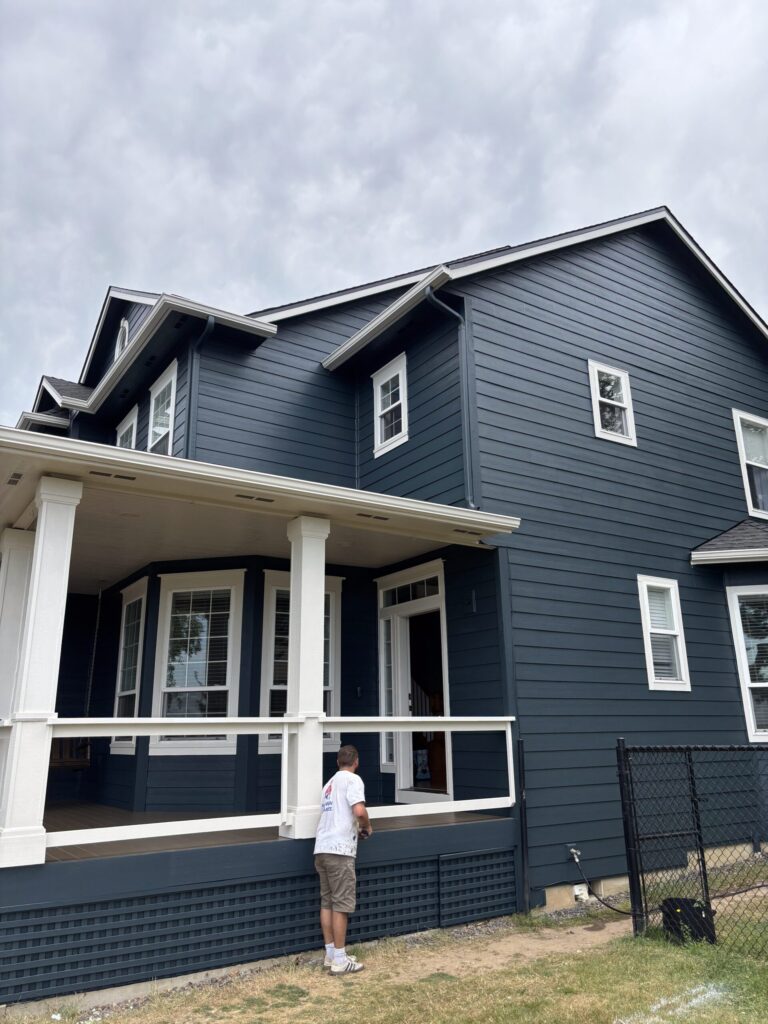
Corrective painting involves addressing surfaces that have already experienced failure. Unlike maintenance work, which is preventative, corrective projects require a more intensive process to restore damaged areas. This often includes removing failing paint, repairing substrates, addressing moisture issues, and rebuilding compromised sections before applying new coatings.
One of the challenges associated with corrective painting is identifying the root cause of the problem. Paint failure is often a symptom rather than the primary issue. Moisture intrusion, poor initial preparation, or structural movement can all contribute to deterioration. Without addressing these underlying factors, new paint applications may fail again in a short period.
Cornerstone Painting approaches corrective projects with a detailed diagnostic process. Their team investigates the cause of paint failure, ensuring that repairs address the source of the problem rather than just the visible symptoms. This thorough approach prevents recurring issues and ensures that new coatings perform as intended.
According to the Painting Contractors Association, proper surface preparation and problem identification are critical to successful repainting. Cornerstone Painting applies these standards to every corrective project, ensuring long-lasting results that go beyond surface-level improvements.
The Cost Difference Between Preventive and Reactive Painting
One of the most significant differences in the maintenance painting vs corrective painting comparison is cost. Maintenance painting typically involves lower expenses because it focuses on preserving surfaces that are still in good condition. The work is less labor-intensive, requires fewer materials, and can often be completed more quickly.
Corrective painting, however, tends to be more expensive due to the extent of repairs required. Removing failed coatings, fixing damaged substrates, and addressing underlying issues all add to the overall cost. In many cases, corrective work can cost significantly more than a scheduled maintenance project would have.
Cornerstone Painting often advises clients to view maintenance painting as an investment rather than an expense. By addressing surfaces before damage occurs, property owners can avoid the higher costs associated with corrective work. This proactive approach helps maintain budget stability and reduces the likelihood of unexpected repairs.
Over time, properties that follow a maintenance schedule tend to experience fewer disruptions and lower overall costs. By preventing major issues from developing, maintenance painting supports long-term financial efficiency.
How Timing Influences Painting Strategy
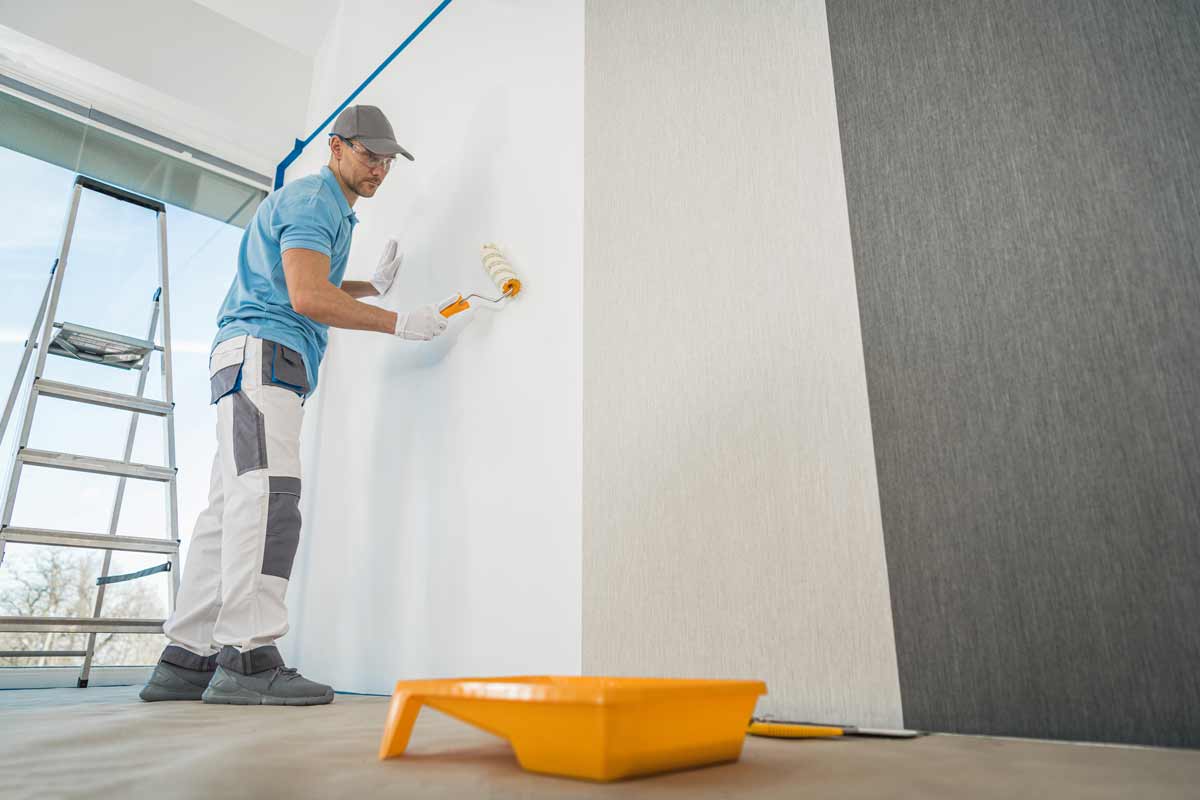
Timing plays a critical role in determining whether a project falls under maintenance or corrective work. Maintenance painting is scheduled proactively, often based on the expected lifespan of coatings and environmental exposure. This allows property owners to address surfaces before visible deterioration occurs.
Corrective painting, in contrast, is often unplanned and reactive. It becomes necessary when damage has already developed, requiring immediate attention to prevent further deterioration. This can disrupt schedules and create additional challenges for property owners, particularly in commercial environments.
Cornerstone Painting emphasizes strategic planning to help clients stay ahead of potential issues. By monitoring surface conditions and recommending timely maintenance, their team helps prevent the need for reactive repairs. This approach ensures that painting projects are completed on schedule and within budget.
Organizations like the U.S. Environmental Protection Agency note that environmental factors such as moisture and UV exposure significantly impact material longevity. Understanding these factors allows Cornerstone Painting to plan projects at the most effective times.
Cornerstone Painting’s Approach to Long-Term Surface Protection
Cornerstone Painting combines technical expertise with strategic planning to deliver long-term results. Their approach begins with a thorough assessment of each property, identifying current conditions and potential risks. This evaluation forms the foundation for a customized painting strategy that aligns with the client’s goals.
For maintenance projects, the team focuses on preserving existing coatings while reinforcing protective barriers. For corrective projects, they implement comprehensive repair processes that address both visible damage and underlying causes. This dual capability allows them to handle a wide range of painting needs effectively.
Their process also includes careful scheduling based on environmental conditions. By selecting optimal times for painting, they ensure coatings cure properly and achieve maximum durability. This attention to detail contributes to the longevity of every project they complete.
By integrating maintenance and corrective strategies, Cornerstone Painting helps clients maintain consistent performance across their properties. This balanced approach ensures that surfaces remain protected while minimizing long-term costs.
Signs You Need Maintenance Painting vs Corrective Painting
Recognizing when to schedule maintenance painting versus when corrective work is required can save property owners significant time and money. Early signs of wear often appear subtly, such as fading color, minor chalking, or slight dullness in the finish. These indicators suggest that the protective layer is beginning to weaken but has not yet failed. At this stage, maintenance painting is typically sufficient to restore protection and extend the life of the coating system.
More advanced signs of deterioration point toward the need for corrective painting. Peeling paint, cracking surfaces, bubbling, or visible moisture damage indicate that the coating has already failed. These issues often expose underlying materials to environmental stress, increasing the risk of structural damage. When these conditions are present, simply repainting without proper repairs will not provide a lasting solution.
Cornerstone Painting helps clients identify these warning signs before they escalate. Their team conducts detailed evaluations to determine whether a surface requires maintenance or corrective attention. By catching problems early, they help property owners avoid unnecessary expenses and maintain consistent protection across their properties.
Understanding these differences allows property owners to act proactively rather than reactively. With the right guidance, maintenance painting can be scheduled at the ideal time, preventing the need for more extensive corrective work in the future.
Why Professional Expertise Makes the Difference
The difference between a successful painting project and one that fails prematurely often comes down to professional expertise. While maintenance painting may appear straightforward, it still requires careful planning, proper preparation, and the use of appropriate materials. Without these elements, even preventive work can fall short of expectations.
Corrective painting demands an even higher level of skill. Identifying the root cause of paint failure requires experience and technical knowledge. Moisture intrusion, substrate movement, and environmental exposure can all contribute to deterioration, and each issue requires a different solution. Addressing these problems correctly ensures that the new paint system performs as intended.
Cornerstone Painting brings this level of expertise to every project they undertake. Their team understands how to evaluate surfaces, select the right products, and apply coatings in a way that maximizes durability. This comprehensive approach ensures that both maintenance and corrective projects deliver reliable, long-lasting results.
Working with professionals also provides peace of mind. Property owners can trust that their investment is protected and that the work will meet industry standards. This confidence is especially important for larger properties where painting projects represent a significant commitment.
Conclusion: Choosing the Right Approach for Your Property
Understanding the difference between maintenance painting vs corrective painting is essential for protecting your property. Maintenance painting focuses on prevention, helping preserve surfaces and avoid costly repairs. Corrective painting addresses existing damage, requiring more extensive work to restore surfaces to their original condition.
Cornerstone Painting helps property owners navigate these decisions with confidence. Their team evaluates each project carefully, recommending solutions that align with both current needs and long-term goals. By combining proactive planning with expert execution, they deliver results that stand the test of time.
Choosing the right approach not only improves appearance but also protects structural integrity. Properties that follow a maintenance strategy experience fewer disruptions and lower overall costs compared to those that rely on reactive repairs.
If you want to protect your investment and ensure lasting performance, contact Cornerstone Painting today. Their expertise in both maintenance and corrective painting will help you achieve results that are both durable and visually exceptional.
Internal Links
- Residential Painting Services
- Commercial Painting Services
- Interior Painting Solutions
- Exterior Painting Services
External Links
