Understanding the Role of Painted Surfaces During Property Inspections
When a property inspector evaluates a home or commercial building, painted surfaces often reveal far more than color and finish. Inspectors use paint condition as a visual indicator of deeper structural health. Peeling coatings, uneven surfaces, or moisture stains can signal underlying problems such as water intrusion, material deterioration, or inadequate preparation. Because of this, painted surfaces play a surprisingly important role in determining how a property is perceived during an inspection.
This is where seasonal painting planning becomes an important strategy for property owners. Painting at the correct time of year ensures that coatings cure properly, adhere well, and provide the long-term protection inspectors expect to see. Paint that has been applied during unsuitable weather conditions may fail prematurely, leading inspectors to question the integrity of the building envelope.
Cornerstone Painting understands the importance of these inspection standards and integrates them into every project. Instead of simply applying a new coat of paint for visual improvement, their team evaluates surfaces for structural issues before beginning any work. By identifying potential inspection concerns early, they help property owners avoid costly repairs or failed inspections later.
Industry organizations such as the International Association of Certified Home Inspectors explain that paint deterioration can be a sign of deeper issues such as moisture infiltration or improper maintenance. Professional contractors like Cornerstone Painting use these guidelines to ensure their painting work meets the standards inspectors expect.
Why Seasonal Painting Planning Matters for Paint Durability
Paint durability depends heavily on the conditions present when the coating is applied. Temperature, humidity, and surface moisture all influence how well paint bonds to surfaces. When paint is applied outside recommended temperature ranges, it may dry unevenly or fail to adhere properly, resulting in premature cracking, peeling, or blistering.
Seasonal timing helps ensure that coatings cure under stable environmental conditions. Spring and fall often provide ideal temperatures for exterior painting because they offer moderate heat and lower humidity. These conditions allow coatings to dry gradually and form a strong bond with the surface. When paint cures properly, it forms a durable barrier that protects siding, trim, and structural materials from environmental damage.
Cornerstone Painting carefully schedules projects based on seasonal conditions to maximize durability. Before beginning any exterior painting project, the team evaluates weather patterns, surface moisture levels, and forecasted conditions. This level of planning ensures the paint system performs as intended and remains intact for years.
Manufacturers such as Sherwin-Williams emphasize that proper temperature ranges are essential for achieving long-lasting paint adhesion. By combining manufacturer guidance with hands-on experience, Cornerstone Painting ensures each project benefits from optimal seasonal conditions.
What Inspectors Look for in Exterior Painted Surfaces
Exterior painted surfaces are among the first elements inspectors evaluate because they reveal how well a building is protected against environmental exposure. Inspectors typically examine siding, trim, soffits, fascia boards, and other painted components for signs of deterioration. Visible peeling, chalking, blistering, or cracking paint often indicates that the protective coating has begun to fail, exposing underlying materials to moisture, sunlight, and temperature fluctuations. When paint begins to deteriorate, it often serves as an early warning sign that exterior materials may soon become vulnerable to structural damage.
Inspectors also pay close attention to areas where water may accumulate or repeatedly contact painted surfaces. Window frames, rooflines, joints between siding panels, and areas beneath gutters are particularly vulnerable. If inspectors notice bubbling paint, discoloration, mildew growth, or staining in these areas, they may suspect water intrusion behind the paint layer. These observations can prompt further investigation into flashing, caulking, and drainage systems. Proper preparation and sealing during painting projects are essential to prevent these types of problems from developing.
Another factor inspectors consider is overall paint uniformity. Uneven coverage, inconsistent color fading, or brush marks may suggest that previous paint applications were rushed or performed without adequate preparation. These cosmetic flaws can signal deeper concerns about workmanship and maintenance practices. Professional painting companies such as Cornerstone Painting understand that visual consistency is not just about aesthetics—it also demonstrates that the property has been properly maintained over time.
Cornerstone Painting addresses these inspection concerns through meticulous preparation and seasonal planning. Before applying any coating, their team evaluates the surface condition, removes failing paint, repairs damaged materials, and applies appropriate primers. By performing exterior painting during favorable seasonal conditions, they ensure that the coating cures properly and forms a durable protective layer. This attention to detail results in painted surfaces that not only look polished but also withstand inspection scrutiny and environmental stress.
Interior Paint Conditions That Inspectors Evaluate
Interior painted surfaces can reveal important information about the condition of a building just as clearly as exterior surfaces. Inspectors frequently examine walls and ceilings for staining, bubbling paint, discoloration, or unusual texture variations. These visual clues can indicate hidden problems such as roof leaks, plumbing issues, or condensation buildup inside wall cavities. Even minor irregularities in interior paint may prompt inspectors to examine surrounding areas more closely for underlying structural concerns.
Seasonal painting planning also plays a role in interior projects because environmental conditions influence how interior coatings cure. High humidity levels—particularly during warmer months—can slow the curing process and prevent paint from forming a durable surface. When paint cures improperly, it may remain soft, develop uneven textures, or become more susceptible to scuffing and damage. Professional contractors manage these conditions carefully by controlling ventilation, humidity, and drying times throughout the project.
Cornerstone Painting addresses these challenges by using modern coating systems designed for indoor environments. Low-VOC paints not only improve indoor air quality but also cure efficiently under controlled conditions. According to the U.S. Environmental Protection Agency, low-VOC coatings can significantly reduce indoor air contaminants while maintaining strong performance. This makes them an ideal choice for both residential interiors and occupied commercial spaces.
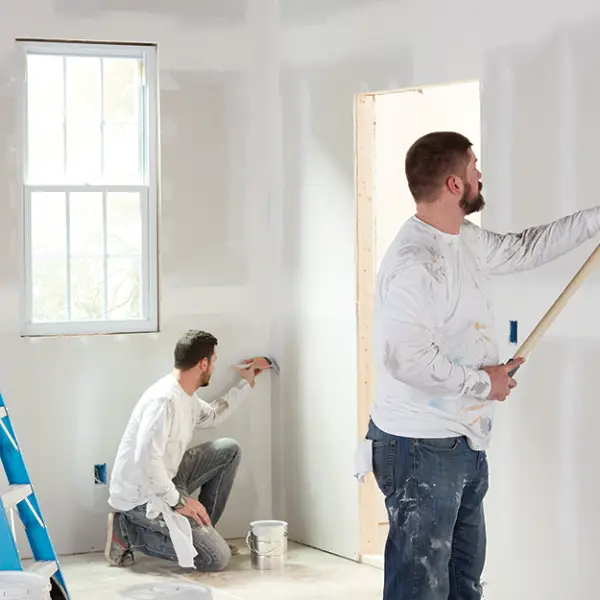
In addition to selecting the right products, Cornerstone Painting ensures interior surfaces are properly prepared before painting begins. Cracks, nail holes, drywall imperfections, and previous coating failures are repaired so the new paint layer adheres evenly. By combining proper preparation, product selection, and environmental control, the company ensures interior painted surfaces remain smooth, durable, and inspection-ready for years to come.
Cornerstone Painting’s Inspection-Focused Painting Process
Cornerstone Painting approaches every project with the understanding that paint serves a protective function as much as an aesthetic one. Their inspection-focused painting process begins with a comprehensive evaluation of the property. During this initial stage, the team examines painted surfaces for signs of moisture intrusion, structural wear, or coating failure that could affect the longevity of a new paint system. This careful inspection ensures potential issues are addressed before painting begins.
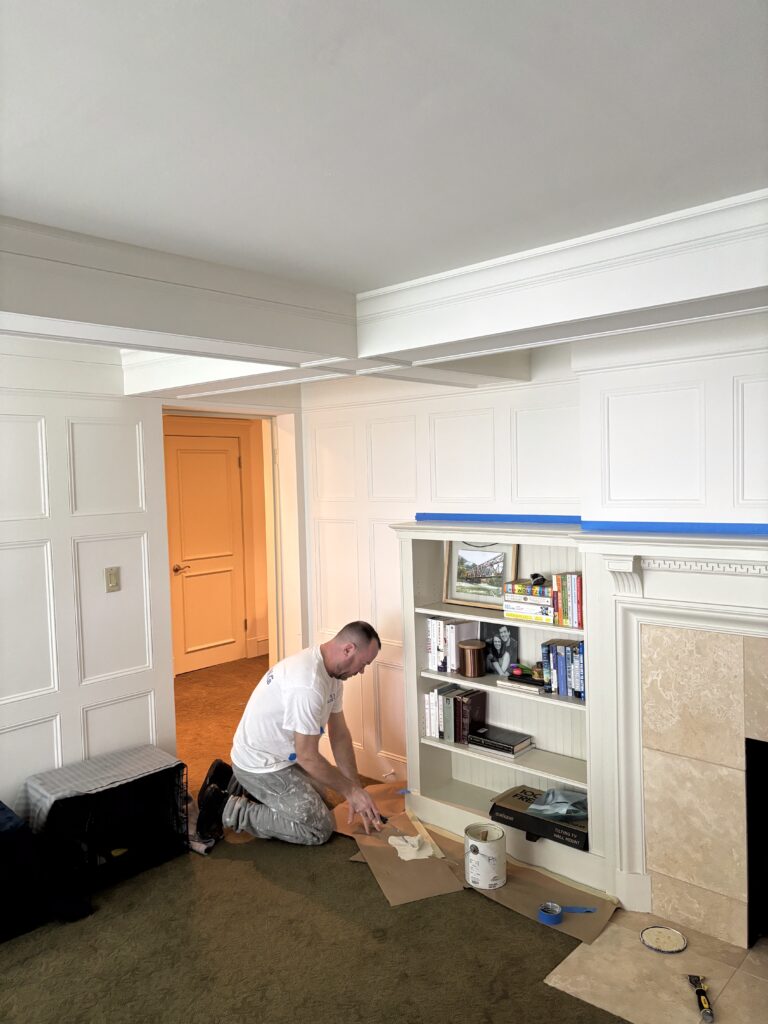
Once the evaluation is complete, Cornerstone Painting develops a preparation plan tailored to the property’s needs. This may involve replacing damaged trim boards, repairing drywall sections, resealing joints, or addressing areas where moisture has compromised previous paint layers. These steps are essential because paint applied over unstable surfaces will inevitably fail, regardless of the quality of the coating used.
Seasonal painting planning becomes particularly important during this stage. Cornerstone Painting schedules exterior work during periods of stable weather to allow coatings to cure properly. By avoiding extreme temperatures and high humidity conditions, the team ensures that paint forms a strong bond with the surface. This strategic timing contributes significantly to the long-term durability inspectors expect to see during property evaluations.
Throughout the project, the team maintains strict quality standards, from surface preparation to final inspection. Each completed area is reviewed to ensure uniform coverage, smooth finishes, and proper sealing around edges and joints. This disciplined process allows Cornerstone Painting to deliver results that satisfy both property owners and professional inspectors.
The Long-Term Value of Inspection-Ready Painted Surfaces
Maintaining painted surfaces in excellent condition offers benefits that extend far beyond visual appeal. Durable paint coatings protect structural materials from environmental damage such as moisture infiltration, UV exposure, and temperature fluctuations. When these protective layers remain intact, underlying materials like wood, siding, and drywall remain shielded from deterioration.
Seasonal painting planning plays a key role in achieving this level of protection. When coatings are applied under optimal weather conditions, they cure more effectively and form stronger bonds with the substrate. This increased durability reduces the likelihood of cracking, peeling, or blistering, allowing painted surfaces to remain intact for longer periods.
Regular maintenance and repainting also enhance property value. Buildings with well-maintained painted surfaces tend to perform better during inspections and are more attractive to buyers, tenants, or investors. A fresh, professionally applied paint system communicates that the property has been cared for consistently and responsibly.
Cornerstone Painting works closely with property owners to create long-term maintenance strategies that preserve painted surfaces. By scheduling repainting projects strategically and addressing small issues before they escalate, clients can reduce repair costs while maintaining inspection-ready conditions year after year.
Conclusion: Planning Ahead for Inspection-Ready Paint
Painted surfaces may appear to be purely cosmetic, but inspectors often view them as indicators of overall property maintenance. Peeling, cracking, or moisture-damaged paint frequently reveals deeper issues that may require further investigation. By prioritizing seasonal painting planning, property owners can ensure their paint systems perform effectively while protecting structural materials beneath the surface.
Cornerstone Painting incorporates inspection standards into every step of their work. From initial evaluations to careful surface preparation and strategic scheduling, their team ensures that each paint system provides long-lasting protection. This proactive approach allows property owners to resolve potential concerns before they appear during formal inspections.
Professional painting combined with thoughtful seasonal planning also reduces long-term maintenance costs. When coatings are applied under ideal conditions and supported by proper preparation, they last significantly longer than rushed or poorly timed paint jobs. This durability minimizes the need for frequent repainting and reduces the risk of structural repairs.
For property owners who want to maintain a polished appearance while ensuring their buildings remain inspection-ready, partnering with Cornerstone Painting is a practical and reliable choice. Their expertise in seasonal painting planning helps clients protect their investments while maintaining durable, professional finishes that stand up to inspection standards.
Internal Links
- Residential Painting Services
- Commercial Painting Services
- Exterior Painting Services
- Interior Painting Solutions
External Links
- International Association of Certified Home Inspectors
- Sherwin-Williams Paint Performance Guide
- U.S. Environmental Protection Agency
