Paint failure is one of the most common—and most misunderstood—problems property owners face. When peeling, bubbling, cracking, or discoloration appears, the blame is often placed on the paint brand or the environment. In reality, the root cause is frequently hidden beneath the surface. Improper surface preparation is the leading factor behind premature paint failure, regardless of how premium the coating may be.
At Cornerstone Painting, surface preparation is never treated as an optional step or a quick preliminary task. It is the foundation of every successful project. Their experience across residential and commercial properties has shown time and again that even the highest-quality paint will fail when applied to a poorly prepared surface.
This article explores the hidden consequences of improper surface preparation, how it leads to paint failure, and why Cornerstone Painting’s meticulous prep process is critical for durability, appearance, and long-term cost savings. By understanding what happens before the first coat is applied, property owners can make smarter decisions that protect their investment.
What Surface Preparation Really Means in Professional Painting
Surface preparation is far more than wiping down a wall or pressure washing an exterior. In professional painting, it is a multi-step process that ensures the surface is clean, sound, dry, and compatible with the chosen coating system.
Cornerstone Painting begins every project with a thorough evaluation of the substrate. This includes identifying existing coatings, testing for moisture, checking for structural damage, and assessing environmental exposure. Each surface—wood, drywall, concrete, masonry, or metal—requires a different preparation approach.
Improper surface preparation often stems from skipping steps. Painting over dirt, grease, mildew, or loose material prevents proper adhesion. Over time, gravity, moisture, and temperature changes pull the coating away from the surface, resulting in failure.
Another overlooked element is surface profiling. Smooth or glossy surfaces require mechanical or chemical abrasion to create a bondable profile. Cornerstone Painting ensures surfaces are properly deglossed or textured so the paint can anchor effectively.
Why Paint Failure Is Rarely About the Paint Itself
Paint technology has advanced significantly over the past several decades. Modern coatings are engineered to withstand UV exposure, moisture, temperature fluctuations, and wear. When failure occurs early, the issue is rarely the product—it is almost always the preparation.
Cornerstone Painting regularly encounters properties where expensive paints were applied over unstable surfaces. Despite the quality of the coating, failure occurs because adhesion was compromised from the start.
Improper surface preparation creates weak points. These weak points may not be visible immediately, but they grow over time. As the coating expands and contracts, these areas become stress points that eventually crack or peel.
According to Sherwin-Williams, surface contaminants and improper preparation are among the top causes of coating failure in both residential and commercial settings. Cornerstone Painting applies this industry knowledge in every project, ensuring that coatings perform as designed.
The Most Common Surface Prep Mistakes That Cause Paint Failure
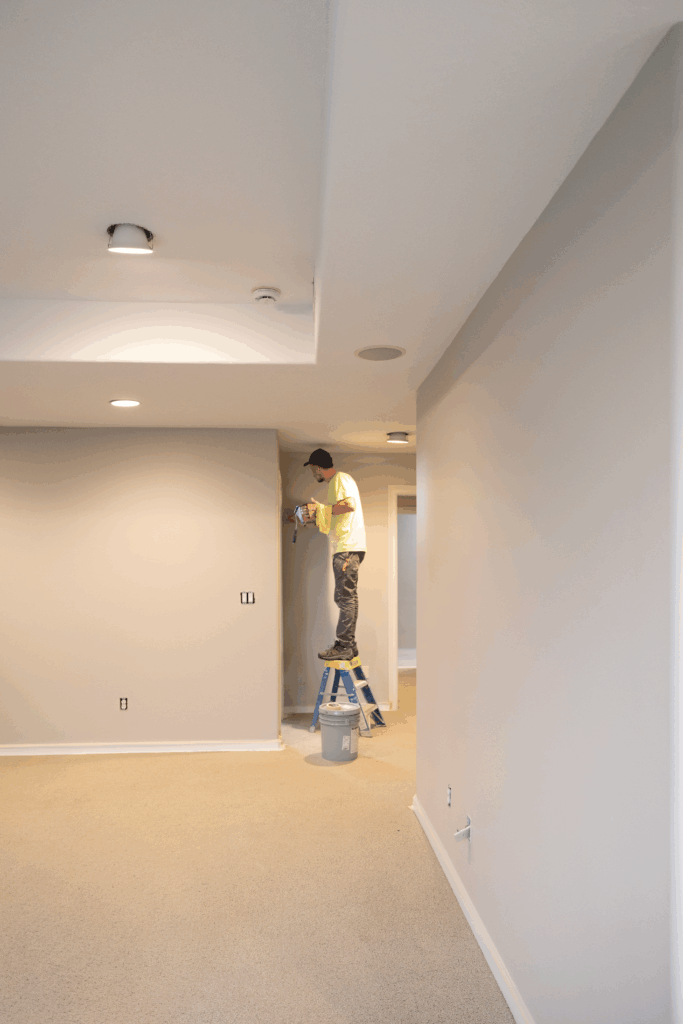
One of the most damaging mistakes is painting over moisture. Trapped moisture pushes paint away from the surface, causing bubbling and blistering. Cornerstone Painting uses moisture detection methods to ensure surfaces are dry before application.
Another common error is failing to remove deteriorated paint. Painting over peeling or chalking coatings creates a weak bond layer that eventually separates entirely. Proper scraping, sanding, or stripping is essential.
Skipping primer is another major contributor to failure. Primers are designed to bond surfaces and provide a compatible base for topcoats. Cornerstone Painting selects primers based on surface type and environmental conditions.
Finally, insufficient cleaning leads to adhesion issues. Dirt, grease, and airborne pollutants form a barrier between paint and substrate. Professional preparation eliminates these contaminants completely.
How Improper Surface Preparation Increases Long-Term Costs
Paint failure is not just a cosmetic problem—it is a financial one. When coatings fail prematurely, repainting becomes necessary far sooner than expected. This leads to repeated labor costs, material expenses, and surface repairs.
Cornerstone Painting often works with clients who previously opted for quick, low-cost paint jobs. These properties typically require extensive corrective work before repainting can even begin, significantly increasing overall costs.
Improper surface preparation also exposes underlying materials to damage. Wood rot, corrosion, and masonry deterioration occur when protective coatings fail. These repairs are far more expensive than proper prep would have been initially.
By contrast, Cornerstone Painting’s prep-first approach reduces repaint cycles, lowers maintenance costs, and protects building materials over the long term.
Surface Preparation and Moisture-Related Paint Failure
Moisture is one of the most destructive forces affecting painted surfaces. When preparation fails to address moisture intrusion, paint failure is inevitable.
Cornerstone Painting identifies moisture sources such as leaks, condensation, or poor ventilation before painting begins. Without this step, even the best coatings will fail.
The U.S. Environmental Protection Agency emphasizes moisture control as a key factor in preventing mold growth and material deterioration. Paint systems applied over damp or compromised surfaces cannot function as intended.
By addressing moisture during preparation, Cornerstone Painting prevents hidden damage that often goes unnoticed until failure becomes severe.
Why Professional Surface Prep Differs from DIY or Low-Cost Work
DIY projects and low-cost contractors often focus on speed rather than longevity. Surface prep is minimized because it is time-consuming and labor-intensive.
Cornerstone Painting approaches preparation as the most important phase of the project. Their team understands that shortcuts taken during prep will surface later as failure.
Professional surface preparation is guided by established industry standards, not guesswork or convenience. Organizations such as the Painting and Decorating Contractors of America (PDCA) outline detailed preparation requirements for different substrates, including cleaning methods, surface profiling, and moisture thresholds that must be met before coatings are applied. Cornerstone Painting follows these professional standards closely, ensuring that every surface is properly conditioned for long-term adhesion—something DIY approaches and low-cost contractors often overlook in favor of speed and reduced labor.
Professional surface preparation requires specialized tools, materials, and expertise. From commercial-grade cleaners to mechanical sanding equipment, Cornerstone Painting invests in the resources needed for lasting results.
This commitment to preparation is what separates professional outcomes from temporary fixes.
Surface Prep for Different Materials and Why It Matters
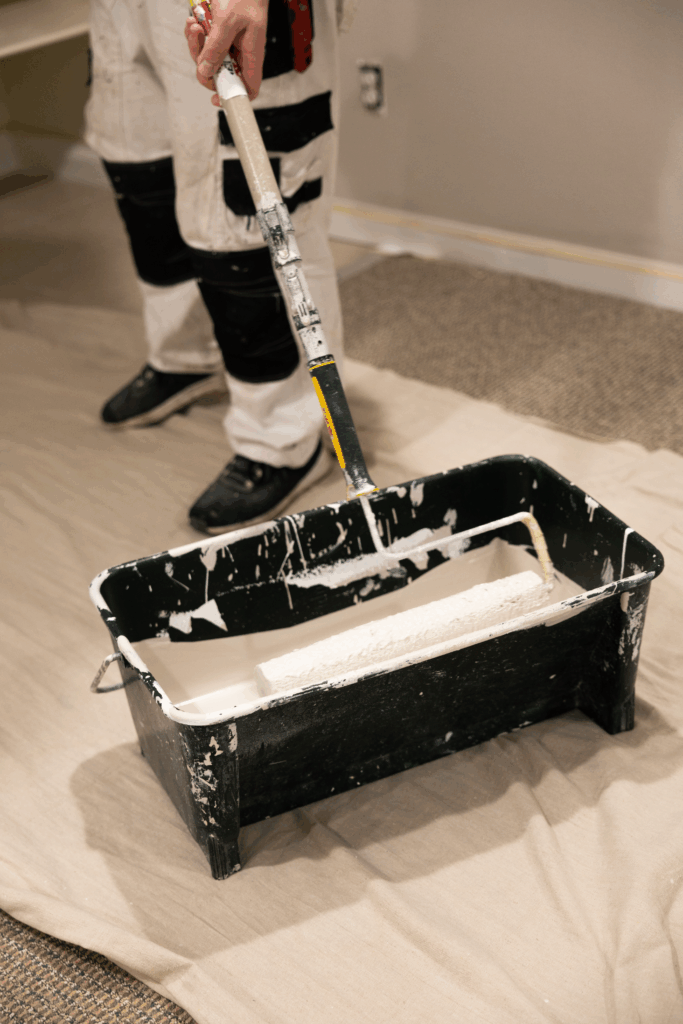
Each building material reacts differently to paint. Wood expands and contracts, masonry breathes, metal corrodes, and drywall absorbs moisture.
Cornerstone Painting tailors preparation techniques to each substrate. For wood, this may include sealing knots and repairing rot. For masonry, it involves neutralizing alkalinity and repairing cracks.
Improper surface preparation ignores these material-specific needs. Applying a one-size-fits-all approach leads to incompatibility and failure.
By customizing preparation, Cornerstone Painting ensures that coatings bond properly and move naturally with the substrate.
The Role of Surface Prep in Commercial Paint Performance
Commercial properties experience higher wear and environmental exposure than residential spaces. Improper surface preparation in these environments leads to accelerated failure.
Cornerstone Painting prepares commercial surfaces with durability in mind. This includes reinforcing high-traffic areas and addressing structural stress points.
Failure in commercial settings disrupts operations and damages brand image. Professional prep reduces downtime and preserves appearance.
This strategic approach makes surface preparation a business investment rather than an expense.
Why Surface Prep Determines Warranty Validity
Many paint warranties are voided when surfaces are improperly prepared. Manufacturers specify prep requirements that must be followed for coverage to apply.
Cornerstone Painting adheres strictly to manufacturer guidelines, protecting clients’ investments and ensuring warranty compliance.
Improper surface preparation not only causes failure but also eliminates recourse when problems arise.
This attention to detail provides peace of mind and long-term protection.
Surface Preparation as Preventive Maintenance
Proper preparation is a form of preventive maintenance. It addresses existing issues before they become larger problems.
Cornerstone Painting views surface prep as an opportunity to identify hidden defects. Small repairs during prep prevent costly restoration later.
This proactive mindset extends the lifespan of paint systems and underlying materials.
Preventive preparation ultimately saves time, money, and disruption.
How Cornerstone Painting Approaches Surface Preparation
Cornerstone Painting follows a structured, methodical prep process on every project. No steps are skipped, regardless of project size.
Their team evaluates surfaces, corrects defects, cleans thoroughly, and applies primers specifically selected for each condition.
This process ensures consistent results and long-term durability.
Clients benefit from fewer repaints, reduced maintenance, and superior appearance.
The Long-Term Value of Doing It Right the First Time
Improper surface preparation may save time upfront, but it always costs more in the long run. Repainting, repairs, and disruptions add up quickly.
Cornerstone Painting’s commitment to proper prep delivers measurable value. Projects last longer, perform better, and maintain their appearance.
This long-term perspective protects property value and reduces ownership costs.
Call to Action: Choose Preparation Over Premature Failure
Paint failure rarely starts at the surface—it begins underneath. Improper surface preparation is the hidden cause behind peeling, cracking, and costly repaints.
Cornerstone Painting eliminates this risk through meticulous preparation, proven processes, and professional expertise. Their approach ensures paint systems perform as intended and protect properties for years.
If you want a paint job that lasts, contact Cornerstone Painting today and experience the difference proper surface preparation makes.
Internal Links
External Links
- Sherwin-Williams – Causes of Paint and Coating Failure
- U.S. Environmental Protection Agency – Moisture Control and Mold Prevention
- Painting and Decorating Contractors of America (PDCA)
